

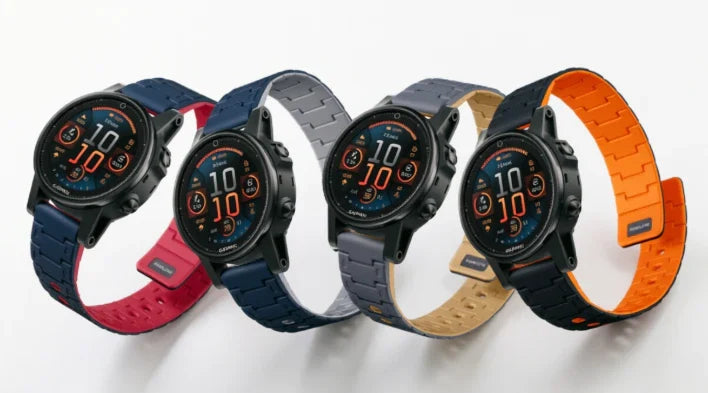
Magnetic smart watch bands are easy to wear, quick to adjust, and hard to go back from once you’ve tried one. But does that mean they work in every situation? Not always. From office desks and creative studios to workshops and outdoor jobs, different work environments can shape the way a magnetic band feels throughout the day. This guide explores where magnetic smart watch bands work best, what conditions may need extra attention, and how to choose the right one for your daily routine.
Why Work Environment Matters
A watch band can feel completely different depending on where it’s worn every day. Some people spend most of their time in an office, while others work around tools, machinery, heat, or outdoor equipment. These differences may seem small at first, but they often decide whether a band feels comfortable after eight or ten hours of wear.
Office environments usually call for comfort, convenience, and flexibility, while more physically demanding jobs often require better stability and durability. Many users focus on appearance when buying a new band, but daily working conditions tend to have a bigger impact over time.
A few daily work factors are easy to overlook:
-
sweat and humidity
-
heat during long shifts
-
dust, oil, or metal particles
-
frequent wrist movement
-
workplace hygiene requirements
These factors may not stand out at first, but they become much easier to notice once the band is worn through a full workday.
Workplaces Where Magnetic Smart Watch Bands Need Extra Consideration

Mechanical Work and Metal-Heavy Environments
DIY studios, repair shops, and hardware-related workplaces can be challenging environments for magnetic bands.
Small metal fragments, steel dust, and fine debris are common in these spaces. Over time, tiny particles may collect around magnetic components, especially when users frequently work near tools or metal surfaces. In machining or repair environments, repeated contact with workbenches and equipment can also increase wear on the band exterior.
Oil and grease add another layer of complexity. In mechanical work environments, residue can mix with fine metal dust and settle around the magnetic parts, making regular cleaning more important than in typical office use.
Not all metals are magnetic, which means magnetic smart watch straps can still be used in environments where metal is present, but users may need to clean them more often and pay closer attention to long-term wear.
Precision Equipment and Specialized Work spaces
Some workplaces operate under stricter equipment requirements, especially in labs, hospitals, or technical environments.

In certain outdoor navigation activities, users may carry traditional compasses or compact measuring tools that rely on magnetic readings. Outdoor equipment manufacturers sometimes recommend keeping magnets away from navigation tools to avoid affecting directional accuracy.
Similarly, some laboratories and controlled work spaces may have internal guidelines regarding metallic accessories or magnetic components around sensitive equipment. The requirements vary depending on the workplace and industry.
For most people, daily routines rarely involve working around large-scale precision equipment.. But for professionals working around specialized instruments, it is still worth considering before choosing a magnetic band.
Heat, Humidity, and Long Working Hours
High-temperature environments can also change the wearing experience over time.
Kitchens, bakeries, outdoor summer jobs, and humid workplaces usually involve continuous heat and sweat exposure. During long shifts, moisture can build up between the wrist and the band, especially in environments with limited airflow.
For magnetic bands that rely mainly on magnetic attachment, heavy sweating may occasionally affect how secure the fit feels during constant movement. This becomes more noticeable in physically active work settings than in static office environments.
Swimming and saltwater exposure may also require additional maintenance depending on the material and coating of the band.
Where Magnetic Bands Work Best
There’s no absolute “fit” or “unfit”, only whether the choice is right. Magnetic bands have their own market as well.They have become increasingly common because they are quick to adjust and easy to wear throughout the day. Many designs are also slimmer and fit for many watch model than traditional buckle-style bands, which helps improve comfort during office work, commuting, or long desk sessions.
Office and Desk-Based Work
Office environments are one of the most natural fits for magnetic smart watch bands. Long desk sessions usually place more importance on comfort than heavy-duty durability, especially for people who spend hours typing or working at a computer.
Magnetic closure also makes it easier to slightly loosen or tighten the band throughout the day without removing the watch entirely, such as dual magnetic design. For people who type frequently or spend hours at a desk, that flexibility can make a noticeable difference.
Commuting and Everyday Urban Routines
Magnetic bands also work well for users with lighter daily movement. Commuters often prefer bands that are quick to put on in the morning and comfortable enough for all-day wear.
Compared to traditional buckles, magnetic designs are usually faster to adjust and feel less bulky under jackets or sleeves. For daily city routines, convenience tends to matter more than maximum retention strength.
Creative and Digital Work spaces
Content creators, designers, editors, and digital professionals often wear their watches continuously throughout the day. In these environments, appearance and wearing comfort usually matter more than rugged outdoor performance.
Minimal magnetic band designs fit naturally into these settings because they feel lightweight and visually clean without drawing too much attention.
Choosing the Right Magnetic Band for Your Routine
Before choosing a magnetic watch band, it helps to think about the environment where it will actually be used most often.
Someone working in an office may prioritize comfort and easy adjustment. A user in a workshop may care more about stability and resistance to dust or debris. Outdoor users may need to consider equipment compatibility and activity level.
A few questions can make the decision easier:
Your Routine:
-
Is your work mostly static or highly active?
-
Are you frequently exposed to sweat or humidity?
-
Do you work around tools, machinery, or metal surfaces?
-
Will you wear the band continuously for long hours?
And What Matters Most to You:
-
Comfort: how it feels on your wrist during long hours
-
Stability: how secure it stays during movement
-
Breathability: whether it handles sweat and heat well
-
Convenience: how easy it is to put on and adjust
-
Style: how well it matches your daily look
Quick Environment Match:
|
Environment Type |
Recommended or not? |
|
Office Work |
Good Fit |
|
Daily Commuting |
Good Fit |
|
Outdoor Navigation |
Depends on Equipment |
|
Heavy Mechanical Work |
Not suitable for metal materials |
|
High-Humidity Kitchens |
Not suitable, easily rusts. |
FAQs
Can magnetic smart watch bands be worn all day?
Yes. In office, commuting, and low-activity environments, magnetic bands are often comfortable for extended wear because they are easy to adjust throughout the day.
Why do magnetic smart watch bands feel different for different people?
Daily movement, wrist size, temperature, humidity, and work intensity can all affect the wearing experience. The same band may feel completely different in different environments.
Are magnetic smart watch bands suitable for outdoor work?
For casual outdoor use, they are usually fine. In environments involving navigation equipment, heavy tools, or constant physical movement, suitability depends on the specific conditions and activity level.
Share:
What’s a Good Garmin Watch Band for Outdoor Use? 5 Essential Requirements
Apple Bands vs. Replacement Bands for Apple Watch: Which Is Actually Worth Your Money?