

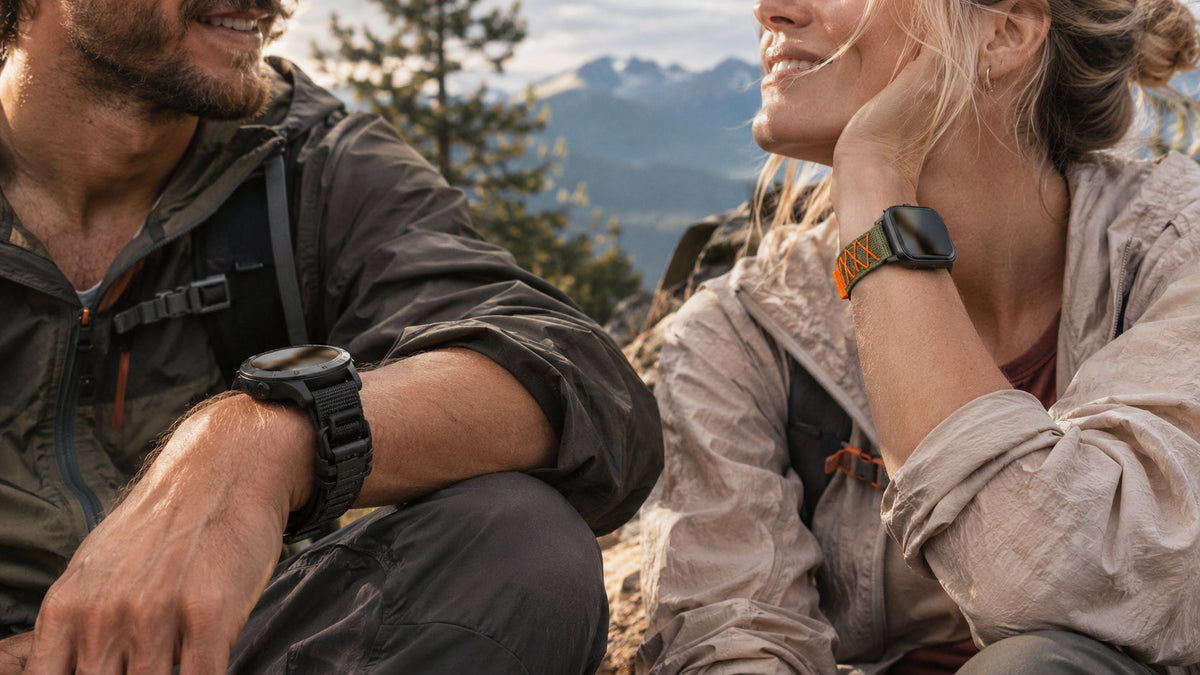
Garmin and Fitbit are two of the biggest names in fitness tracking, but choosing between them isn't as simple as deciding which has more features.
Garmin has built its reputation around GPS sports watches, training metrics, and outdoor performance. Fitbit, now part of Google's broader health and wearable ecosystem, focuses heavily on everyday activity, sleep, recovery, and making health data easier to understand.
The difference has become less clear in 2026. Garmin introduced the Forerunner 70 and 170 for newer runners, along with the screenless CIRQA Smart Band. Meanwhile, Google launched the Fitbit Air and Fitbit Edge, bringing new hardware and Google Health coaching into the Fitbit lineup.
So, is Garmin better than Fitbit, or does Fitbit offer everything you actually need?
For most serious runners and endurance athletes, Garmin remains the stronger choice for detailed training analysis. For people who mainly want to understand their activity, sleep, and general wellness, Fitbit offers a simpler approach, often with a lower starting price.
But there are exceptions on both sides. Here's how they compare.
Garmin vs Fitbit: Key Differences at a Glance
Before comparing individual features, it helps to understand what each brand is designed to do.
| Feature | Garmin | Fitbit |
|---|---|---|
| Best suited for | Runners, endurance athletes, outdoor users, and fitness enthusiasts | Everyday fitness, sleep tracking, wellness, and general activity |
| Fitness tracking | Extensive sport-specific metrics on supported watches | Accessible workout and activity tracking, with more advanced tools on newer models |
| GPS | Strong focus on GPS sports tracking and navigation | Built-in GPS on models such as Charge 6 and Fitbit Edge |
| Sleep tracking | Sleep score, HRV, Body Battery, and recovery insights on supported devices | Sleep score, sleep stages, health trends, and personalized Google Health coaching |
| Training analysis | Training readiness, training load, race predictions, and recovery tools on selected watches | Cardio load, readiness, activity trends, and coaching through Google Health |
| Battery life | Many sports watches last a week or longer | Several current trackers offer up to seven days |
| Mobile app | Garmin Connect | Google Health, formerly the Fitbit app |
| Subscription | Core Garmin Connect features remain free; Connect+ adds optional extras | Core tracking is available without Premium; advanced Google Health Coach features require Premium |
| Design options | GPS running watches, outdoor watches, lifestyle models, and screenless bands | Slim trackers, screenless bands, fitness watches, and Google's connected smartwatch ecosystem |
The short answer: Garmin generally provides more detailed tools for planning and analyzing structured workouts. Fitbit emphasizes helping you understand everyday health and maintain consistent habits.
Neither approach is automatically better. The right one depends on how often you train, which metrics matter to you, and how much information you want from your device.
1. Fitness Tracking: Is Garmin Better Than Fitbit for Exercise?
Both Garmin and Fitbit track familiar metrics such as steps, heart rate, active minutes, and workouts. The difference becomes more noticeable when you move beyond basic activity tracking.
Garmin: More Detail for Structured Training
Garmin is particularly well suited to people who follow a training plan or want to understand how individual workouts affect their progress.
Depending on the model, Garmin can provide:
-
Training load and training status
-
Training readiness and recovery time
-
VO2 max estimates
-
Pace and distance data
-
Running dynamics and race predictions
-
Structured workouts and Garmin Coach training plans
For example, the Forerunner 570 includes training readiness, training status, and adaptive Garmin Run Coach plans. Higher-end models such as the Forerunner 970 offer additional running performance tools, including running tolerance.
These features are useful when you're preparing for a race, increasing weekly mileage, or trying to balance difficult sessions with recovery.
Garmin also has more lifestyle-oriented devices. The vívoactive 6 and Venu 4 combine fitness tracking with everyday wellness features without requiring the same level of training analysis as a dedicated Forerunner.
Fitbit: Easier to Follow, With More Advanced Features in 2026
Fitbit has traditionally focused on making daily fitness data understandable without requiring users to study complicated training reports.
The Google Health app brings together activity, sleep, cardio load, readiness, and health trends in a more unified experience.
The newer Fitbit Edge also changes what people should expect from a Fitbit tracker.
It includes built-in GPS, an altimeter, workout views for more than 50 exercise modes, and automatic activity recognition for up to 100 workout types. That makes it more capable than the older image of Fitbit as a simple step counter.
Google Health Premium adds personalized workout planning through Google Health Coach, which can adjust recommendations based on your goals and recent activity.
However, Fitbit still offers a different experience from Garmin's performance-focused watches. If you want detailed race preparation, extensive sport-specific data, and advanced training analysis, a compatible Garmin Forerunner will generally be the more suitable tool.
Which is better?
Choose Garmin if you want to measure training progress in detail. Choose Fitbit if you want activity tracking and guidance that fits into your everyday routine with less manual setup.
2. Garmin vs Fitbit for Running: GPS and Training Features
Running is one of the areas where the difference between Garmin and Fitbit matters most.
A casual runner who wants distance, pace, and heart rate may be perfectly satisfied with either brand. Someone training for a marathon may need considerably more information.
Garmin for Running
Garmin offers dedicated running watches across multiple price and performance levels.
For example:
Garmin Forerunner 170
A practical option for newer runners who want built-in GPS, suggested workouts, and structured training without moving immediately to a premium sports watch.
Garmin Forerunner 570
Designed for runners who want more advanced training analysis, multi-band GPS support, training readiness, and detailed performance metrics.
Garmin Forerunner 970
A higher-end option for runners and multisport athletes who want advanced performance analysis, mapping, and additional training features.
Garmin's advantage isn't simply that it records your route. On supported models, it helps connect the run you completed with your broader training progress.
That distinction becomes more useful as your workouts become more demanding.

Fitbit for Running
Fitbit can also be a practical running companion.
The Fitbit Charge 6 and newer Fitbit Edge both offer built-in GPS, allowing you to record outdoor activities without depending on your phone for location data.
Fitbit Edge also provides on-device exercise information, including pace-related metrics, heart rate zones, and workout guidance.
For regular 5K runs, walks, treadmill workouts, and general cardio sessions, those features may be enough.
However, not every Fitbit has built-in GPS. The Fitbit Air, for instance, is designed as a discreet, screenless wellness tracker rather than a dedicated running watch.
When comparing GPS performance, remember that having built-in GPS doesn't guarantee identical accuracy between devices. Satellite conditions, antenna design, supported positioning systems, and the actual watch model all matter.
Which Should Runners Choose?
For someone starting a running routine, both a Forerunner 170 and Fitbit Edge are worth considering.
If your main goal is to run three times a week, improve your general fitness, and monitor your progress, Fitbit Edge offers a capable and relatively straightforward experience.
If you're following a structured training plan, preparing for a half-marathon, or expecting to increase your training volume, Garmin's Forerunner lineup provides more room to grow.
For marathon and triathlon training, Garmin is the more natural starting point.
3. Sleep Tracking: Is Fitbit Better Than Garmin?
Fitbit has long been associated with sleep tracking, but Garmin has developed a substantial set of sleep and recovery features of its own.
Both platforms can help you understand your sleeping patterns. They present that information differently.
Fitbit Sleep Tracking and Google Health
Fitbit devices can track sleep duration and estimate sleep stages, including light, deep, and REM sleep.
The Google Health app provides a sleep score and related data to help users understand how their rest changes over time.
In 2026, Google updated its sleep tracking and scoring algorithms as part of the transition from the Fitbit app to Google Health.
For Google Health Premium subscribers, Google Health Coach can also help explain sleep patterns and suggest changes to everyday routines.
This is particularly useful for people who want more than a collection of charts but don't necessarily want to interpret every metric themselves.
Garmin Sleep Tracking and Recovery
Garmin also tracks sleep duration, sleep stages, and other overnight measurements on supported devices.
Its main advantage is how those measurements connect with training and recovery.
For example, Garmin's Body Battery feature estimates changes in your energy levels based on factors such as activity, rest, and stress.
Selected Garmin watches also provide HRV status, sleep coaching, and training readiness.
This means sleep data can become part of a broader training decision: whether to complete a demanding workout, reduce intensity, or prioritize rest.
Which Is Better for Sleep?
If you mainly want to understand your sleep habits and receive straightforward guidance, Fitbit and Google Health offer a compelling experience.
If you're interested in how sleep affects running performance and training recovery, Garmin may be more useful.
One important point: neither brand's sleep-stage estimates should be treated as a medical sleep assessment. Wearable devices can identify patterns, but their measurements and algorithms have limitations.
And don't assume that one brand always measures sleep more accurately. Accuracy varies by device, software version, and individual conditions.
4. Battery Life: Garmin vs Fitbit
Battery life can make a significant difference to how consistently you wear a fitness tracker.
If you regularly remove your watch to charge it, you may miss parts of your daily activity or overnight sleep data.
Garmin has traditionally offered strong battery life, particularly in its sports and outdoor watch ranges. Fitbit also offers several devices that can operate for multiple days between charges.
Here are some examples based on manufacturer specifications.
| Device | Advertised battery life |
|---|---|
| Garmin Forerunner 170 | Up to 10 days in smartwatch mode |
| Garmin Forerunner 570 (47mm) | Up to 11 days in smartwatch mode |
| Garmin Forerunner 970 | Up to 15 days in smartwatch mode |
| Google Fitbit Edge | Up to 7 days |
| Google Fitbit Air | Up to 7 days |
| Fitbit Charge 6 | Up to 7 days |
These figures are manufacturer estimates, not results from a controlled head-to-head test.
Actual battery performance depends on how you use the device. Frequent GPS workouts, display settings, notifications, connected features, and other functions can reduce battery life.
It's also important to compare similar devices. A lightweight Fitbit tracker and a large Garmin outdoor watch are designed for different purposes.
Which is better?
Garmin has an advantage if long battery life during frequent GPS activities is a major priority, especially when comparing its dedicated sports watches.
For everyday health tracking, though, the battery life offered by devices such as Fitbit Air, Edge, and Charge 6 should be sufficient for many users.
5. Garmin Connect vs Google Health: Do You Need a Subscription?
Subscription costs matter because buying the device is only part of the long-term experience.
In 2026, both Garmin and Fitbit offer optional paid services, so it's no longer accurate to describe Garmin as completely subscription-free while claiming that Fitbit requires payment for every useful feature.
Garmin Connect and Connect+
Garmin Connect provides access to core fitness and wellness tracking features without a required subscription.
Depending on your compatible device, you can review activity history, running metrics, training information, sleep data, and other performance statistics.
Garmin Connect+ is an optional paid service introduced in 2025.
It adds features such as AI-powered Active Intelligence, enhanced data dashboards, additional training guidance, and expanded LiveTrack capabilities.
For many Garmin users, the free Garmin Connect experience already contains the information needed for regular training.
Google Health and Google Health Premium
On May 19, 2026, the Fitbit app became the Google Health app, and Fitbit Premium was renamed Google Health Premium.
The free experience continues to provide core activity, fitness, and health tracking features supported by your device.
Google Health Premium adds access to Google Health Coach, which uses Gemini-powered features to provide personalized fitness, sleep, and wellness guidance.
The Premium experience can be attractive if you prefer interactive recommendations rather than interpreting individual metrics yourself.
However, availability can depend on your country, device, and subscription.
Which Offers Better Value?
Garmin may offer better long-term value for someone who wants detailed training data without relying on an ongoing premium subscription.
Fitbit may be more appealing if personalized coaching is the feature you're most interested in and you don't mind paying for it.
Before buying either device, compare the features included with the hardware against those requiring a paid plan.
The useful question isn't simply whether a subscription exists. It's whether the features you personally need are available without one.
6. Comfort and Everyday Wear: Garmin vs Fitbit
A fitness tracker can have excellent sensors and software, but none of that matters much if you find it uncomfortable to wear.
Comfort becomes especially important when tracking sleep, wearing a device during workouts, or keeping it on throughout the day.
Fitbit: Lightweight Tracking Options
Fitbit offers several compact trackers designed for continuous wear.
The Fitbit Air is particularly interesting because it removes the screen entirely. It is designed to sit quietly on your wrist while collecting activity, sleep, and wellness data.
The Fitbit Edge provides a display while retaining a relatively slim tracker format.
For people who don't want a full-sized watch, these designs can be appealing.

Garmin: More Choice Than Just Large Sports Watches
Garmin is often associated with larger GPS watches, but its lineup covers a wide range of designs and sizes.
The Forerunner series offers running-focused options, while Venu and vívoactive watches emphasize a mix of fitness and everyday wear.
Garmin also introduced the CIRQA Smart Band in 2026, its own screenless tracker designed for ongoing wellness monitoring.
That means the choice between Garmin and Fitbit is no longer simply a bulky sports watch versus a lightweight fitness band.
Both brands now offer screenless options.
Watch Bands Also Make a Difference
The material, closure, and sizing of a watch band can affect how comfortable a wearable feels over long periods.
For running, a secure fit helps keep the watch stable during movement. For everyday wear, flexibility and adjustment may matter more.
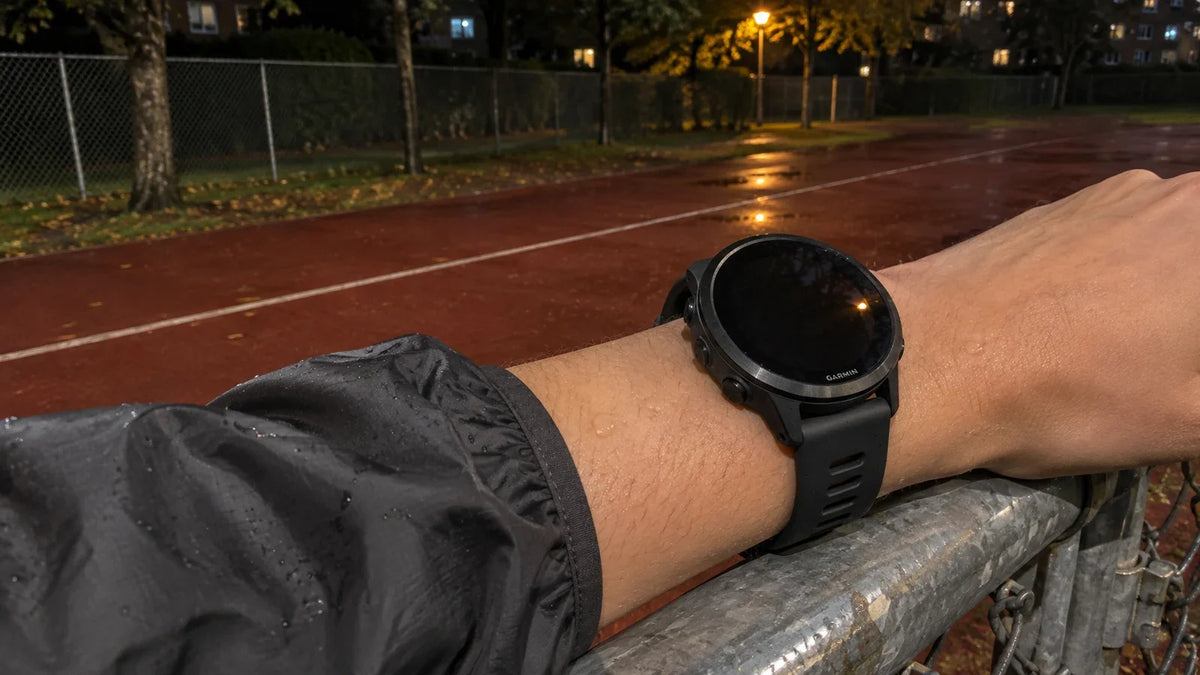
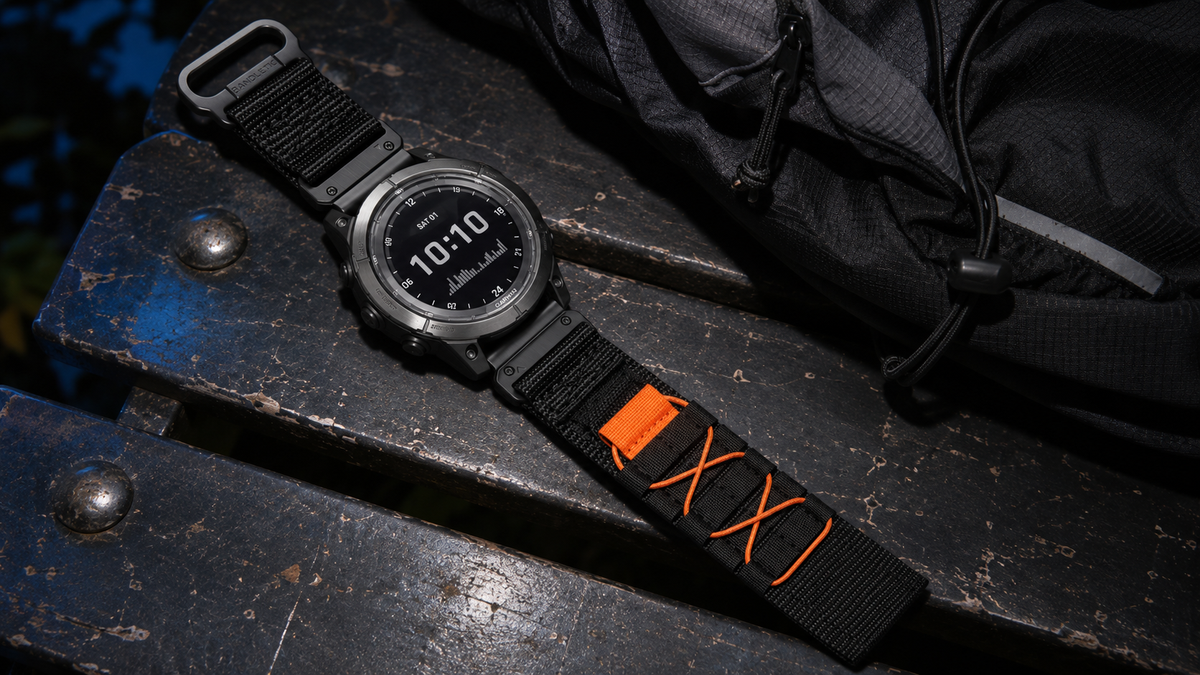
Nylon bands can offer soft, flexible adjustment, while silicone is generally easy to wipe clean after workouts.
If you're using a Garmin watch, you can explore Bandletic Garmin watch bands, including compatible nylon and silicone designs.
For supported Fitbit models, Bandletic Fitbit watch bands provide additional replacement options.
However, Garmin and Fitbit bands are not universally interchangeable, and even devices from the same brand can use different attachment systems.
Check your exact watch model, connector type, band width, and wrist-size range before choosing a replacement.
7. Garmin vs Fitbit: Which Is More Affordable?
Fitbit generally offers more choices at the lower end of the fitness-tracking market.
For example, Google's 2026 lineup includes the screenless Fitbit Air, listed from $99.99 at launch, and Fitbit Edge, listed from $179.99.
Garmin also offers relatively accessible running watches, but its dedicated GPS sports watches can cost considerably more.
The Forerunner 170, introduced in May 2026, launched at a suggested US retail price of $299.99.
Premium Garmin models can be significantly more expensive, particularly when you move into advanced outdoor navigation and multisport features.
The important distinction is what you're paying for.
With Garmin, additional spending often gets you more advanced sports performance tools, hardware, navigation, or battery capabilities.
With Fitbit, lower-priced devices may already provide the daily activity and sleep information that many people need.
Neither approach guarantees better value.
If you mainly want step tracking, sleep trends, and workout reminders, purchasing a high-end Garmin may mean paying for features you'll rarely use.
But if you're actively training for races, a more capable Garmin can be worth the extra investment.
Remember to consider any subscription costs and the availability of replacement bands or accessories alongside the initial device price.
8. Which Garmin or Fitbit Should You Buy in 2026?
The best option depends more on your activities than on the brand name.
| Your main priority | Better starting point | Why |
|---|---|---|
| Getting started with running | Garmin Forerunner 170 or Fitbit Edge | Both offer built-in GPS and useful workout tracking |
| Marathon or triathlon training | Garmin Forerunner 570 / 970 | More advanced training and multisport capabilities |
| Everyday activity and sleep tracking | Fitbit Air or Fitbit Edge | Accessible wellness tracking and Google Health integration |
| Detailed fitness and recovery analysis | Supported Garmin Forerunner or Venu models | Training data is closely integrated with recovery metrics |
| Screenless tracking | Fitbit Air or Garmin CIRQA | Both avoid a traditional watch display |
| Budget-conscious fitness tracking | Fitbit Air or other entry-level Fitbit models | Lower starting prices for core activity tracking |
| Outdoor adventures and navigation | Garmin fēnix or other supported outdoor models | More extensive outdoor and navigation-focused capabilities |
These are starting points rather than one-to-one product equivalents. Features vary by model, and the best choice can change depending on your budget and how you intend to use the device.
Choose Garmin If You...
Take running, cycling, swimming, or outdoor training seriously and want detailed information about your performance.
Garmin makes particular sense when your goals involve structured workouts, race preparation, navigation, or monitoring training load over time.
It is also worth considering if you want a broad range of sports features without needing a premium subscription for core analysis.
Choose Fitbit If You...
Want a straightforward way to track movement, sleep, and daily wellness.
Fitbit is particularly attractive when ease of use, a compact design, or personalized guidance through Google Health matters more than detailed sports performance analysis.
Its newer devices also make it a more credible option for regular runners than the brand's traditional step-tracking reputation might suggest.
Garmin vs Fitbit FAQs
Is Garmin better than Fitbit?
Garmin is generally the stronger option for advanced running, endurance training, and outdoor sports. Fitbit is a good choice for everyday fitness, sleep, and wellness tracking. The better brand depends on which features you actually use.
Is Fitbit better than Garmin for sleep tracking?
Fitbit offers detailed sleep information and personalized guidance through Google Health. Garmin also provides sleep tracking, along with features such as Body Battery, HRV status, and training readiness on supported devices. Neither brand is universally more accurate in every situation.
Is Garmin or Fitbit more accurate for heart rate?
Heart rate accuracy depends on the particular device, sensor, how securely it fits, and the type of activity. Both brands offer optical heart rate tracking, but brand names alone are not enough to determine which will be more accurate for an individual workout.
Is Garmin better for running than Fitbit?
For structured running training, Garmin generally offers more advanced tools, particularly through its Forerunner series. Fitbit Edge and Charge 6 can still be suitable for recreational running because both support built-in GPS.
Does Garmin require a monthly subscription?
No. Core Garmin Connect features remain available without a Garmin Connect+ subscription. Connect+ adds optional premium features, including additional personalized insights and analysis tools.
Does Fitbit require a monthly subscription?
No. A Google Health Premium subscription is not required for basic tracking on compatible Fitbit devices. However, personalized Google Health Coach features and certain advanced services require Premium.
Can I use Fitbit or Garmin with an iPhone?
Many Garmin watches and Fitbit devices work with compatible iPhones and Android phones. Check the specific device's requirements before buying. Google's Pixel Watch lineup has different smartphone compatibility requirements from Fitbit's standalone trackers.
Can Fitbit and Garmin watch bands be used interchangeably?
Generally, no. Their attachment systems differ, and compatibility can also vary between models from the same brand. Always match a replacement band to the exact watch model and connector rather than choosing by brand name alone.
Final Verdict: Garmin or Fitbit?
If you're choosing between Garmin and Fitbit in 2026, start by deciding what you expect your wearable to help you accomplish.
Garmin is the better starting point for people who want to train with data. Its dedicated running and outdoor watches offer detailed performance insights, structured workout support, and features designed around long-term athletic progress.
Fitbit is the better starting point for people who want to make sense of everyday health. Its accessible trackers and updated Google Health experience make it appealing for monitoring movement, sleep, and wellness without needing an advanced sports watch.
The gap between them is smaller than it used to be. Fitbit Edge has brought more serious workout tools into the tracker category, while Garmin's CIRQA shows that Garmin is also interested in simpler, screenless wellness tracking.
You don't necessarily need the most advanced watch to reach your fitness goals. Choose the device whose features match your routine, and make sure it's comfortable enough to wear consistently.
And whichever device you choose, getting the right fit matters. Explore replacement Garmin bands or Fitbit watch bands to find compatible styles for training and everyday wear.
Share:
Garmin Forerunner 570 Band Size: 42mm vs 47mm Compatibility Guide