

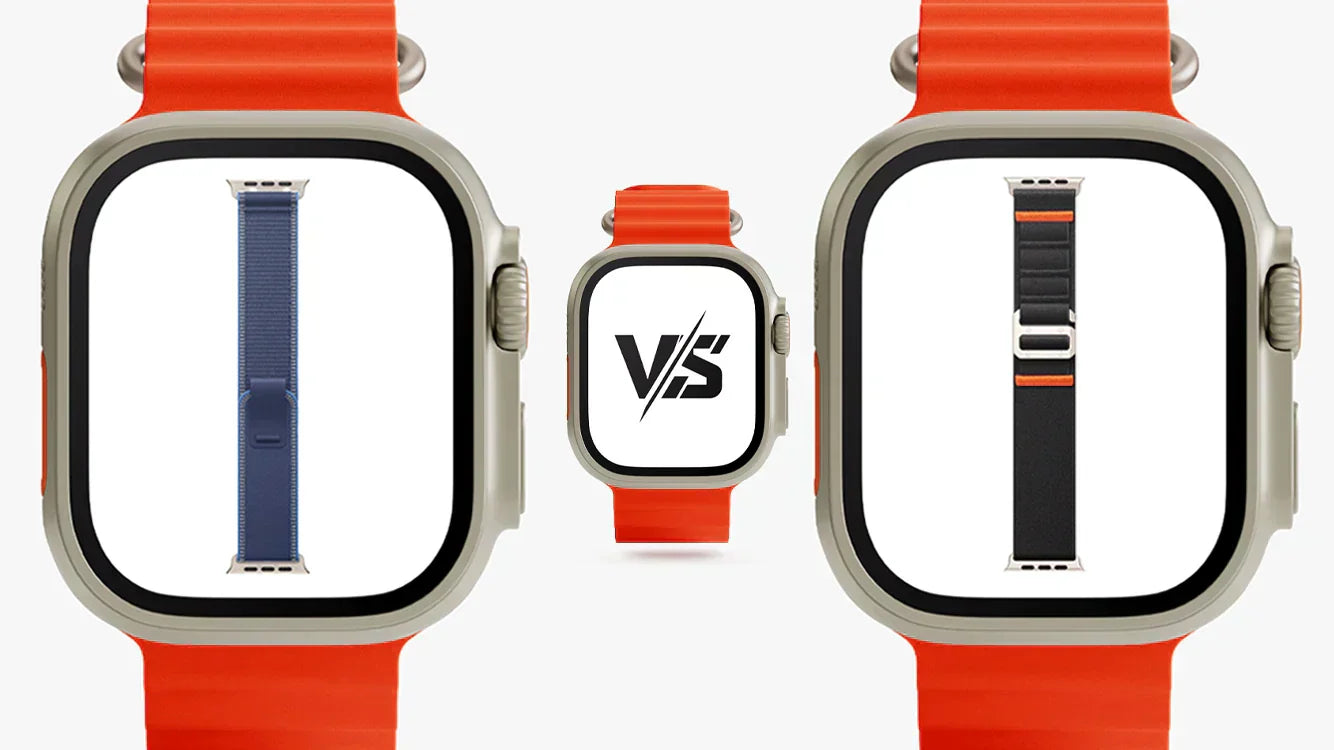
The modern smartwatch landscape has turned the wrist into a battlefield of personal expression. If you own an Apple Watch, you already know it is an elite piece of engineering. But let’s be brutally honest: the silicone Apple Watch strap that came inside your white Apple box is arguably the most overpriced piece of rubber on the planet. For over a decade, Apple has locked users into a premium pricing matrix, convincing them that official is always superior.
But as the market floods with replacement bands for the Apple Watch, a massive debate has exploded across the tech community: Should you blindly pay the "Apple Tax," or are you being ripped off by ignoring the massive ecosystem of alternative options? This isn't a friendly review—it’s a head-to-head breakdown. We are stripping away the marketing hype to compare official Apple craftsmanship against replacement bands for Apple Watch. Let’s look at the real data, the hidden safety risks, and discover what is actually worth your hard-earned money.
 THE QUICK VERDICT: AT A GLANCE
-
Choose Official Apple Watch band If: You have a high budget, hyper-sensitive skin, only need standard daily/gym styles, and want zero-risk warranty support directly from the Genius Bar.
-
Choose a replacement band for Apple Watch If: You want premium materials (like titanium or top-grain leather) without paying $100+, need ultra-specific styles for hobbies like golfing or hiking, and demand fresh designs every season.
Round 1: Decoding the Apple Tax—Is an Official Apple Watch Band Worth 3x the Price?

Let's talk about the elephant in the room: cold, hard cash. If you walk into an Apple Store today, the entry-level Apple Watch sport band made of fluoroelastomer will set you back exactly $49. Want to upgrade to a woven Solo Loop? That’s another $49. If you harbor ambitions of elevating your style with a stainless steel Milanese Loop or a premium leather link, you are looking at a staggering $99 to $349 price tag.
For the average consumer, this raises a massive red flag. When you look at the digital market, you can find visually identical, high quality Apple Watch bands set up from reputable alternative brands for anywhere between $15 and $50.
So, where is that extra money going? Apple justifies its premium through tight manufacturing tolerances. When you buy an official Apple Watch strap, the physical lug insert is machined to fit the watch chassis down to a fraction of a millimeter. There is zero rattle, zero overhang, and the spring-loaded locking mechanism works flawlessly out of the box. Furthermore, Apple’s retail ecosystem provides an elite level of immediate customer service. If an official Apple Watch strap breaks within its one-year accessory warranty, you can walk into any Apple Store and get an immediate swap.
However, paying $49 for a basic piece of rubber remains a tough pill to swallow. Third-party manufacturers have spent years reverse-engineering Apple’s connector lugs. Today, the gap in mechanical locking precision has narrowed to almost zero. If you ask yourself, "Where can anyone buy Apple Watch bands that don't drain a bank account?" the answer is almost always a dedicated premium aftermarket brand. For the price of one single official leather strap, you can easily purchase four or five different third-party replacement Apple Watch bands to match every pair of shoes in your closet. Round one clearly goes to the aftermarket on raw economic value.
Round 2: Skin Allergies and Material Safety: The Hidden Risks in Every Cheap Replacement band for Apple Watch

This is where the debate takes a dark turn, and it is the primary reason why Apple fans refuse to leave the official ecosystem. Apple doesn't just use standard cheap plastic for its baseline straps; they use a proprietary fluorocarbon-based synthetic rubber called fluoroelastomer. Unlike cheap silicone, this material is highly resistant to sweat, chemical degradation, and organic oils. More importantly, Apple enforces strict compliance with global dermatological standards. Every material that touches your skin undergoes rigorous biocompatibility testing to ensure it is 100% free of heavy metals, toxic plasticizers, and common allergens like nickel.
Now, let's look at the dark side of the alternative market. When you browse ultra-cheap online marketplaces looking for budget Apple Watch bands for women or basic Apple Watch bands for men, you are stepping into a regulatory Wild West. To bring production costs down to single digits, sketchy factories often use low-grade industrial silicone. This material is highly porous, meaning it traps sweat, dead skin cells, and bacteria like a sponge.
Even worse, these unverified straps often contain chemical fillers and unstable dyes that bleed onto your skin when exposed to body heat during a heavy workout. The result? Severe contact dermatitis, red skin rashes, and chemical burns that leave your wrist blistered.
⚠️ The Connector Failure Nightmare
Material safety isn't just about your skin; it's about protecting your $400 to $800 device. Cheap replacement bands for Apple Watch often use weak plastic or improperly tensioned springs inside the locking lugs. If those tiny components fail while you are cycling, swimming, or running, your watch body will slip off your wrist and smash into the ground. If you are going the third-party route, you must invest in trusted, premium replacement bands for Apple Watch that openly certify their material safety and use metal locking lugs. If you are paranoid about protecting your device, pairing a replacement band for Apple Watch with a rugged Apple Watch case for apple watch housings or an impact-resistant Apple Watch screen protector for Apple Watch faces is a non-negotiable insurance policy.
|
Comparison Feature |
Official Apple Watch Band |
Premium Replacement Band |
|
Average Price Range |
$49 to $349+ |
$15 to $50 |
|
Material Quality |
Certified Biocompatible Fluoroelastomer |
Grade-5 Titanium, Top-Grain Leather, or Pure Silicone |
|
Skin Safety Rating |
100% Hypoallergenic |
Brand Dependent |
|
Style & Color Variety |
Limited |
Massive |
|
Warranty Support |
1-Year Apple Retail Warranty |
Usually 6-Month to 1-Year Brand Warranty |
Round 3: Aesthetic Limits: Why Apple’s Slow Releases Drive Users to an Apple Watch Replacement Band

If you look at Apple's official lineup, it is undeniably elegant, but it is also incredibly stale. Apple updates its color palette exactly twice a year—once in the spring and once during the autumn iPhone keynote. Outside of changing a shade of blue or introducing a new earth tone, the actual physical silhouettes remain completely unchanged year after year.
Furthermore, Apple’s design philosophy focuses entirely on mainstream appeal. They design Apple Watch straps for the office, the gym, and casual weekend wear. But what if you have an active lifestyle that demands specific equipment?
This design stagnation is exactly why consumers migrate to alternative brands. The Apple Watch replacement bands market moves at lightning speed, dropping fresh designs monthly. More importantly, they solve real-world aesthetic and functional problems that Apple completely ignores.
For instance, consider specific gender styling. Apple’s official collection is strictly unisex, which often translates to bulky, minimalist slabs of rubber or metal mesh. If you want specialized fashion, the third-party Apple Watch band market offers elegant, slim-profile Apple Watch bands for women that look like fine jewelry rather than a piece of fitness equipment. On the flip side, if you search for rugged Apple Watch bands for men, the replacement bands for Apple Watch market provide ultra-wide, tactical-grade Apple watch bands with heavy-duty steel buckles built to withstand industrial work environments.
The same applies to specialized sports. Apple does not make a dedicated Apple watch strap optimized for the unique wrist-flex demands of a golf swing, nor do they make heavy-duty armored Apple watch bands that completely encase the watch body for rock climbing. Third-party Apple Watch brands live for these niches, creating tailored gear that turns your smartwatch into a specialized tool for running, golfing, or hiking.
Round 4: Warranty and Service Ecosystem: Who Should Buy Official vs. an Alternative Apple Watch Band?

When we look at the complete ecosystem, this debate cannot be won by declaring a single universal winner. Instead, it comes down to matching your personal budget to your specific environmental risk factors.
The Official Apple Watch Band Camp: The High-Budget Purist
If you have sensitive skin that breaks out into a rash at the mere thought of cheap plastic, do not gamble with your health. Pay the premium and stick to an official Apple Watch strap. The same rule applies if you are a minimalist who only needs one single, indestructible black or white Apple Watch band for the next three years. You are paying for peace of mind, flawless fit, and an unconditional 1-year warranty backed by global retail stores.
The Replacement Band Apple Watch Camp: The Value-Driven Stylist
If you view your smartwatch as a core element of your wardrobe, sticking exclusively to Apple’s catalog is an expensive trap. The aftermarket allows you to build a diverse wardrobe of Apple Watch straps for a fraction of the cost. The key is to avoid the ultra-cheap, unbranded bargain bins. Invest your money into established, high-quality replacement bands for Apple Watch that use real top-grain leathers, solid grade-5 titanium connectors, and certified non-toxic fabrics.
Final Thoughts: Finding the Right Balance
Ultimately, comparing an official Apple Watch strap to a third-party Apple Watch strap isn't about finding out who makes the absolute best product—it's about understanding what you are actually paying for. Apple charges a premium for unmatched material engineering and medical-grade skin safety. The aftermarket thrives by providing endless variety, hyper-fast trend updates, and unbeatable value for everyday consumers. Buy an official Apple Watch band for your daily baseline peace of mind, but don't be afraid to unlock the true styling potential of your device by exploring premium replacement bands for Apple Watch.
FAQ
Q1: Will a replacement band for Apple Watch void my official AppleCare+ warranty?
A: No. Using a replacement band for Apple Watch does not void your watch's warranty. However, if a poorly manufactured third-party connector breaks and causes your watch to drop and shatter, AppleCare+ will treat it as accidental physical damage, requiring you to pay the standard deductible fee for a screen or replacement chassis.
Q2: How can I tell if a replacement band for an Apple Watch sells high quality?
A: Look for three major green flags: First, verify that the brand uses stainless steel or titanium connectors rather than cheap plastic lugs. Second, check that they explicitly state their silicone or rubber is hypoallergenic or medical-grade. Finally, avoid any brand that does not offer at least a 6-month warranty on their hardware.
Q3: Where can consumers buy Apple Watch bands that are safe for working out?
A: You can purchase reputable sweat-proof bands directly from established fitness accessory brands online, premium electronics retailers, or specialized watch micro-brands. Always ensure the product description specifies the use of fluoroelastomer or breathable dual-weave nylon to guarantee it won't rot or trap bacteria over time.
Share:
How to Choose Magnetic Smart Watch Bands for Different Work Environments
Why One Garmin Forerunner Watch Band Can’t Handle Every Sport?